

GT50 Milestones, HX50 Seats, and Rotor Blade Testing
As we continue to push the boundaries of vertical integration, our focus remains on precision, safety, and scalability.
Turbine Blade Casting
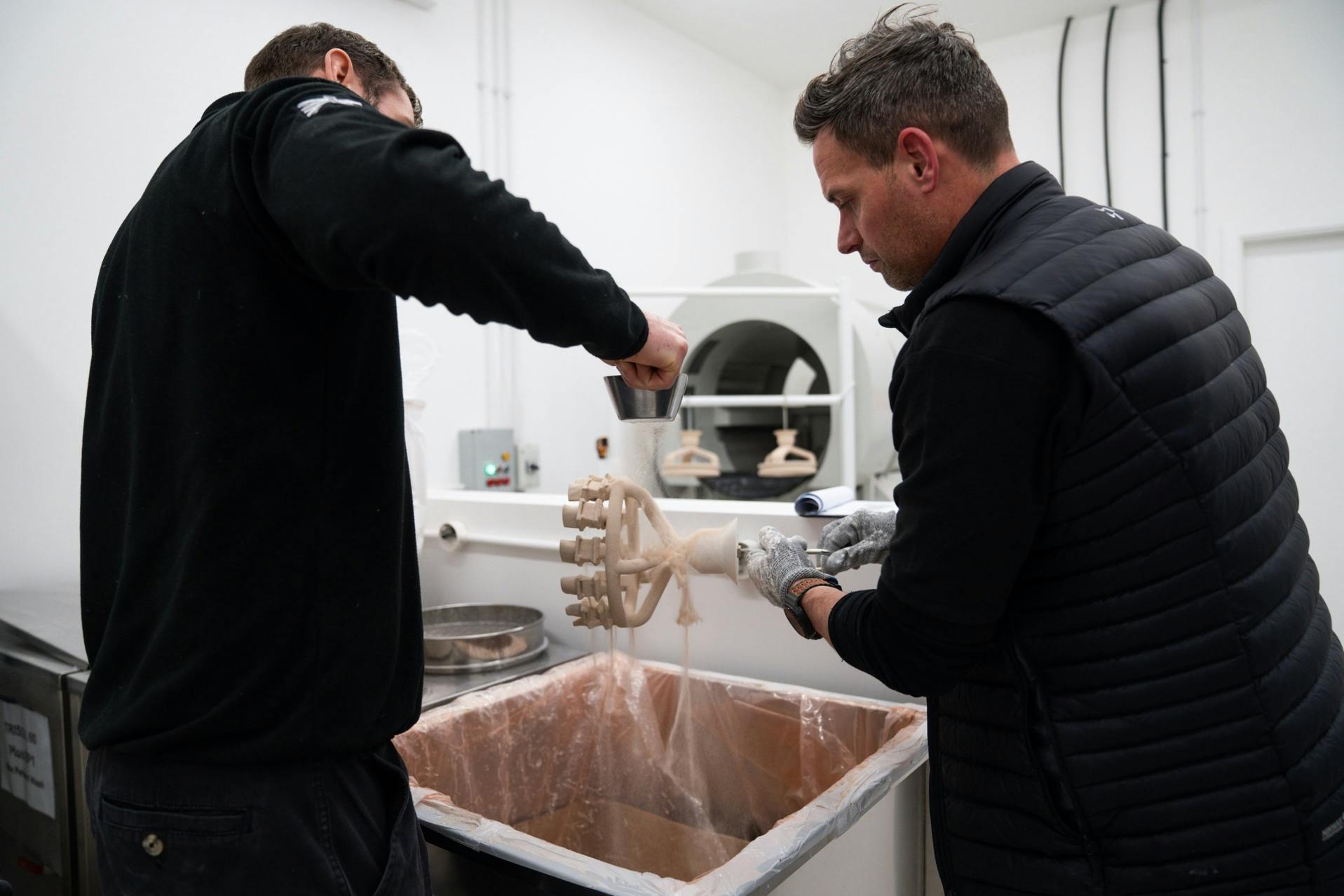
The casting team has achieved a rhythm that can only be described as "full steam ahead." We have moved past the experimental phase and are now producing turbine blades with high-volume consistency.
- Volume and Quality: We have successfully cast over 180 usable high-pressure (HP) and low-pressure (LP) turbine blades.
- Validation: These components have undergone heat treatment and rigorous Non-Destructive Testing (NDT) to ensure they are free of pores or defects. Mechanical data confirms that the grain structure and properties meet our exacting standards.
- Finishing Processes: The blades are currently moving through final machining. This involves grinding the "fir tree" roots-the serrated bases that lock the blades to the disc-and using Electrical Discharge Machining (EDM) to create the spring-lock details that hold them in place when the engine is stationary.
Simultaneously, the first four gas generator turbine discs are ready to receive their corresponding fir tree cuts, ensuring a perfect mate with the new blades.
Gas Generator Rotor - From “War Room” to 50,000 rpm
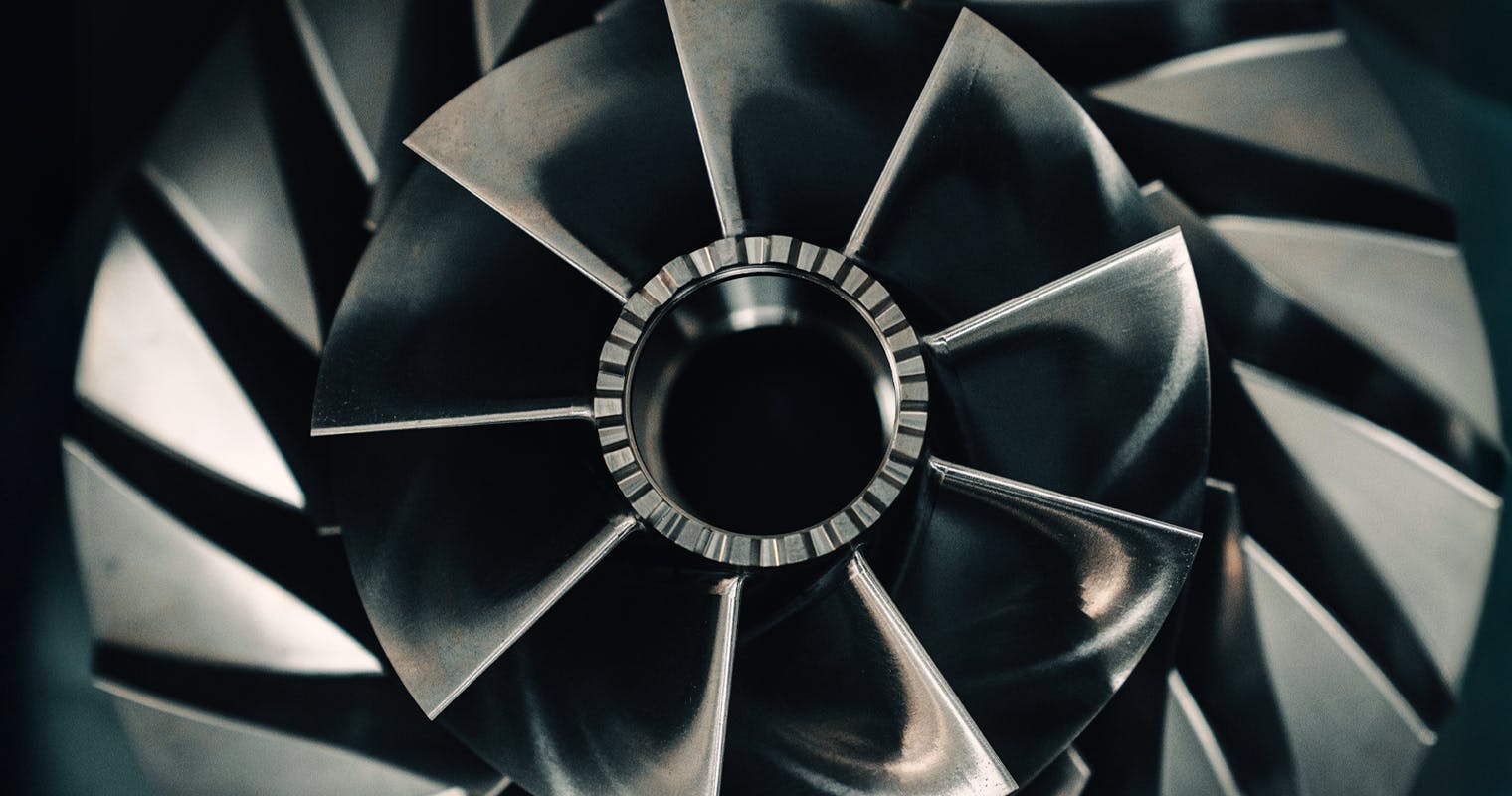
Inside the production control office-our "war room"-we are managing the flow of the gas generator rotor components. These parts are critical, as they must operate smoothly at 50,000 RPM.
Key components currently being assembled for balancing include:
- Rear, Intermediate, and Forward Stub Shafts: These feature sophisticated Curvic couplings for alignment and torque transmission, along with intricate secondary air system passages.
- Impellers: We have inspected Impeller #2, with 98% of its 200 inspection points falling squarely within tolerance. This is a massive achievement in vertical integration, turning a raw heat-treated titanium billet into a complex aerodynamic part with micron-level precision.
- Combustion Liner: The team has mastered the "deep draw" process for the intermediate casing and gooseneck. By bridging the gap between digital simulation and shop-floor reality, we are now successfully forming complex super-alloys required for the combustion system.
Crashworthy Seat Prototypes
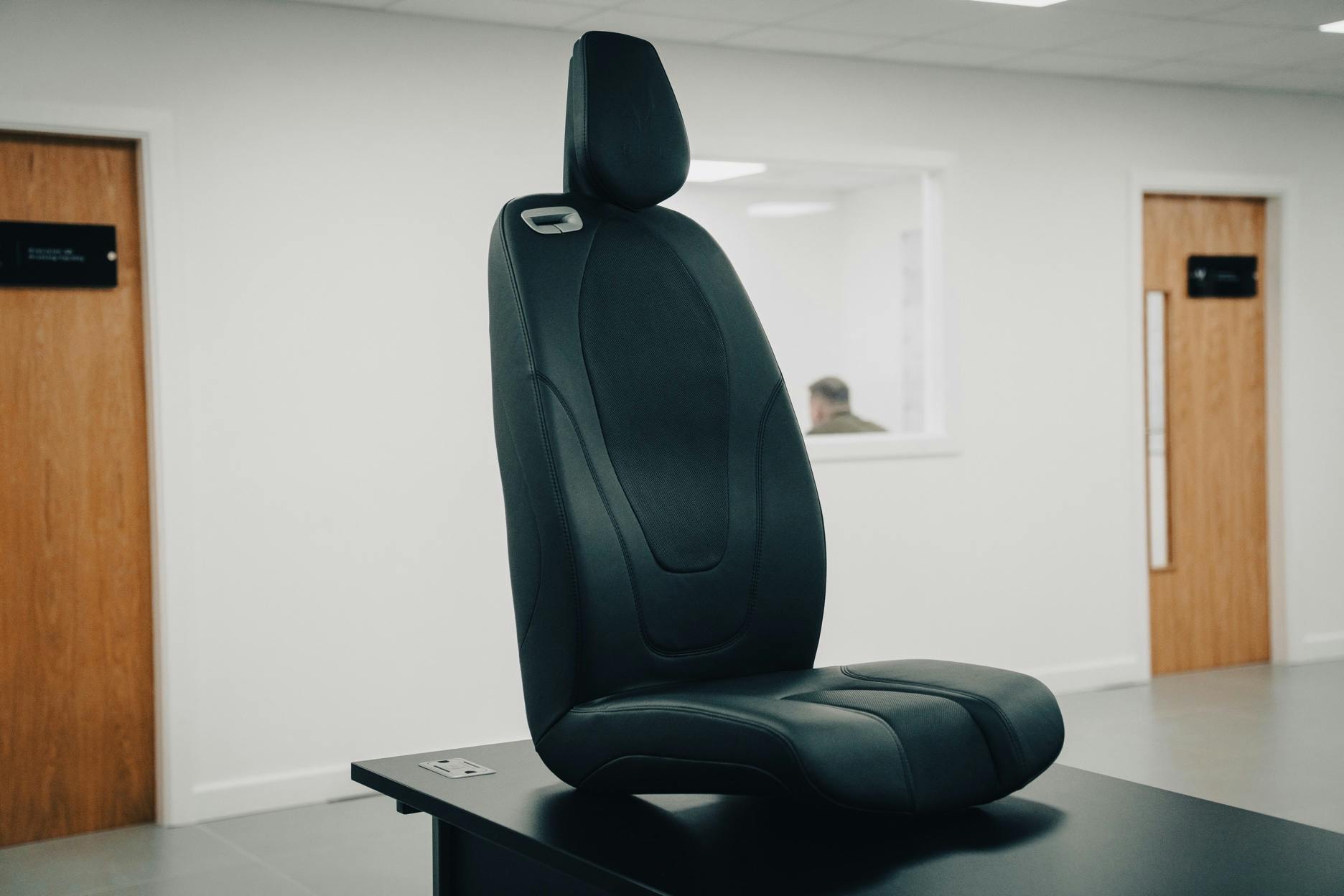
We are pivoting significant attention to the cabin safety systems, specifically the crashworthy seats. We currently have ten prototype seats moving through production, preparing for a series of critical tests.
The Road to Certification:
- Static Testing: We will first subject the seats to flight inertia and crash loads to meet CS-27 code requirements.
- Dynamic Sled Testing: Once static tests are passed, the seats will be equipped with automotive crash test dummies and slammed into a wall via a sled test to validate the energy-absorbing structures.
Design and Manufacturing Features:
- Hybrid Manufacturing: While prototypes use 5-axis machined aluminium parts for speed, production models will utilize advanced aluminium investment casting. This shift improves sustainability and cost-effectiveness by reducing material waste (improving the "fly-to-buy" ratio).
- Comfort and Trim: We are machining flame-retardant carbon-loaded foam to exact ergonomic shapes. The leather covers feature "salvage grooves," allowing the material to tuck neatly into the foam for a distinct, anatomical fit without hard edges.
- Carbon Structure: The final piece of the puzzle is the carbon fiber bucket shell, which is currently being laminated in our double-sided moulds to ensure a perfect finish on all visible surfaces.
Composite Main Rotor Blades: Production and Testing
The composite shop continues to refine the manufacturing process for the HX50’s main rotor blades. Blade 4 and Blade 5 have emerged from the moulds with excellent results, featuring integral primer films and recessed erosion shields.
Next Steps for Rotor Blades:
- Destructive Testing: We have halted production temporarily to subject these latest blades to a battery of tests, including tensile, shear, torsion, and impact testing.
- Root End Validation: We are validating the bonding of high-grade stainless steel bushings into the blade roots.
- Erosion Shields: The machine shop has produced precise, thin-walled stainless steel erosion shields that will be fitted to the leading edges to protect the composite structure from rain and debris.
As we finalise the engine manufacturing process, you can expect our updates to shift focus toward the airframe, the digital cockpit, and the broader rotor systems in the coming months.


JOIN OUR GROUP PRESENTATION
What's in the presentation
Who
What
How
Be part of the journey

HX50
Exterior Concept
Interior Concept
GT50 Turbine Engine
General Aviation 2.0
Hill Digital Cockpit
Journey to HX50
Technical Details
ADDRESS
Units 3 & 4 Key Pt, Towers Business Pk, Wheelhouse Road
Rugeley, Staffordshire WS15 1UZ
United Kingdom
PRIVACY POLICY© 2026 HILL HELICOPTERS